Mastering the Art of Article Writing: A Step-by-Step Guide to Engaging and Converting Content
Writing an article can be a daunting task, especially for those who are new to content creation. However, with the right guidance and best practices, anyone can learn how to write an article that engages and converts. In this tutorial, you will learn the fundamentals of article writing, from planning and research to writing and editing. By the end of this guide, you will be equipped with the skills and knowledge to create high-quality articles that resonate with your audience and drive results. Whether you're a blogger, marketer, or simply looking to improve your writing skills, this tutorial is perfect for you.
Step 1: Choosing a Topic and Defining Your Audience for Effective Article Writing
When it comes to article writing, choosing a topic and defining your audience are crucial steps. You want to select a topic that is relevant, interesting, and resonates with your target audience. To do this, start by brainstorming ideas and identifying areas of expertise or passion. Consider what problems or challenges your audience faces and how you can provide solutions or insights. For example, if you're writing for a health and wellness blog, you might choose a topic like "The Benefits of Meditation forReducing Stress." Remember to keep your topic specific and focused to ensure your article stays on track. 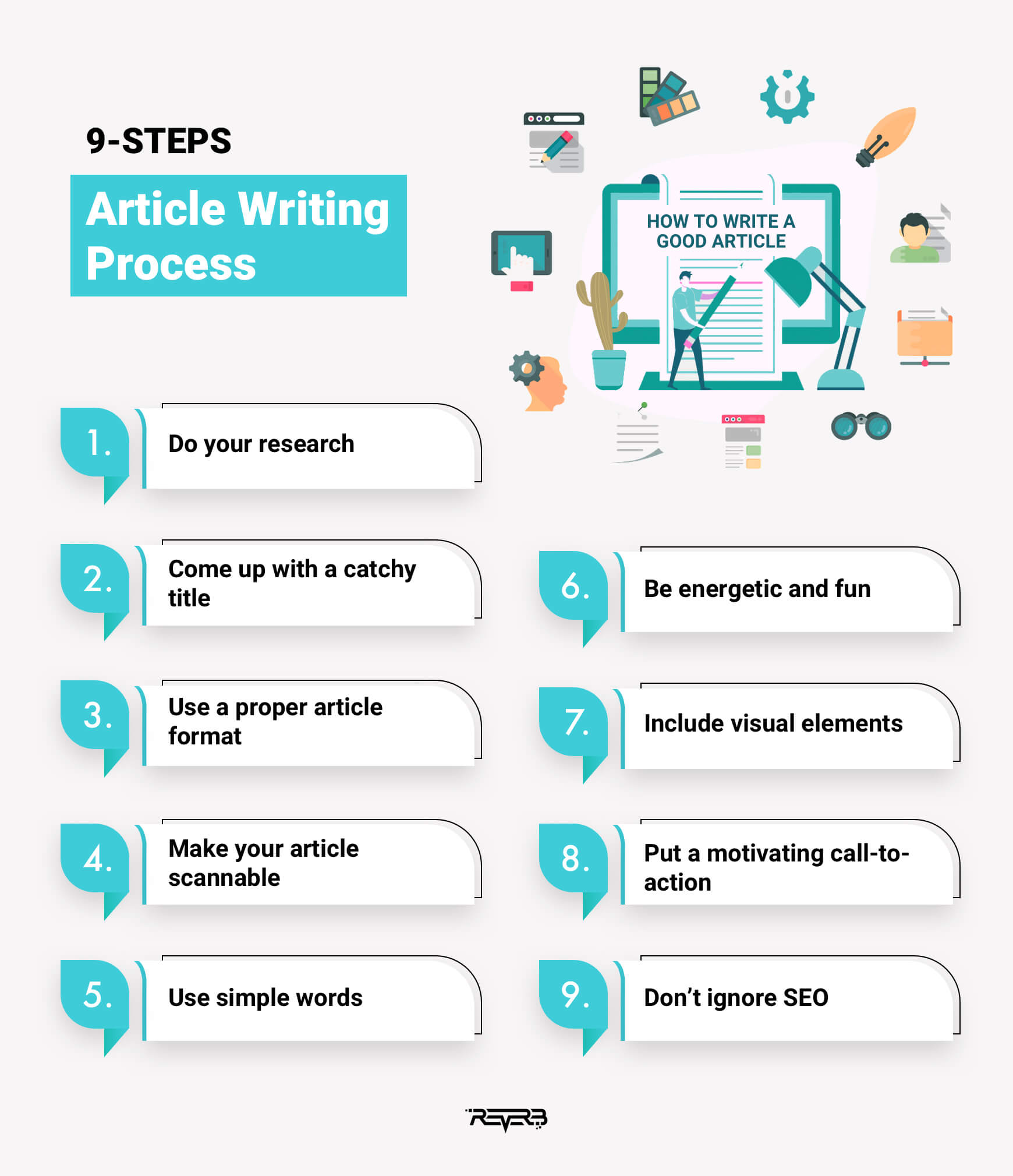
Step 2: Researching and Outlining Your Article for Better Organization
Once you have chosen your topic, it's time to conduct research and create an outline. This step is essential for article writing as it helps you organize your thoughts, structure your content, and ensure you cover all the necessary points. Start by gathering information from credible sources, such as books, articles, and expert interviews. Take notes and organize your findings into categories or subtopics. Next, create an outline that includes an introduction, body, and conclusion. Use headings, subheadings, and bullet points to make your outline clear and easy to follow. For instance, if you're writing an article on "The Importance of Sustainable Living," your outline might include sections on "What is Sustainable Living," "Benefits of Sustainable Living," and "Simple Ways to Live More Sustainably." 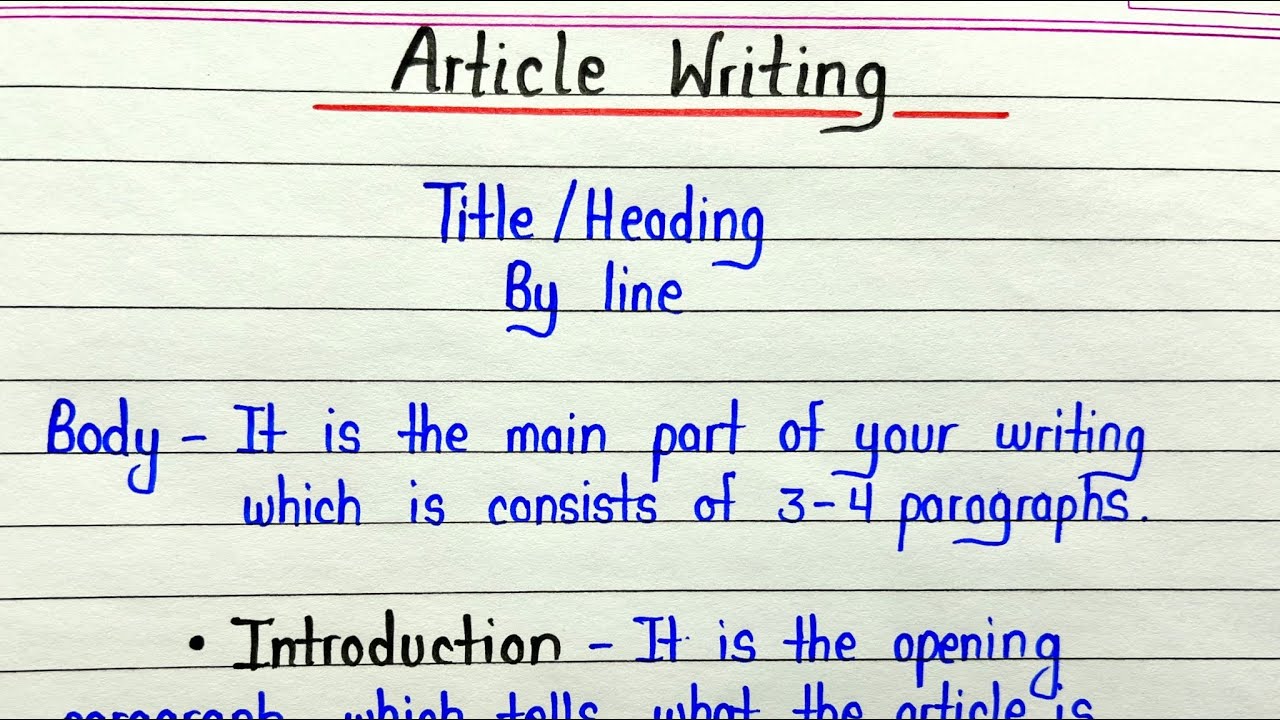
Step 3: Writing Your Article with Engaging and Conversational Tone
Now that you have your outline, it's time to start writing your article. When it comes to article writing, your tone is everything. You want to write in a way that is engaging, conversational, and accessible to your audience. Start by introducing your topic and providing some background information. Use a hook to grab the reader's attention, such as a surprising statistic or a personal anecdote. Then, break down your content into sections or paragraphs, using transitional phrases and sentences to connect your ideas. Remember to keep your language simple, clear, and concise, avoiding jargon or technical terms that might confuse your readers. For example, if you're writing an article on "The Benefits of Regular Exercise," you might start with a hook like "Did you know that regular exercise can increase your lifespan by up to 5 years?" and then provide evidence and examples to support your claim.Step 4: Editing and Revising Your Article for Clarity and Coherence
After you've finished writing your article, it's time to edit and revise. This step is crucial for article writing as it helps you refine your ideas, eliminate errors, and ensure your content flows smoothly. Start by taking a break from your article to clear your mind and approach it with fresh eyes. Then, review your content, checking for grammar, punctuation, and spelling mistakes. Consider getting feedback from others, such as colleagues or mentors, to gain new insights and perspectives. Use this feedback to revise and improve your article, making sure it is clear, concise, and engaging. For instance, if you're writing an article on "The Importance of Time Management," you might revise your introduction to make it more concise and attention-grabbing, such as "Effective time management is essential for achieving success in both personal and professional life."
Step 5: Optimizing Your Article for SEO and Conversions
Finally, once you've edited and revised your article, it's time to optimize it for SEO and conversions. This step is vital for article writing as it helps you increase your online visibility, drive traffic, and achieve your goals. Start by conducting keyword research, using tools like Google Keyword Planner or Ahrefs to identify relevant and high-traffic keywords. Then, incorporate these keywords into your article, using them naturally and sparingly in your title, headings, and body content. Make sure your article is well-formatted, with short paragraphs, bullet points, and images to break up the text and enhance readability. For example, if you're writing an article on "The Benefits of Social Media Marketing," you might optimize your title to include keywords like "social media marketing strategies" or "social media marketing tips."
Frequently Asked Questions
Q: What is the ideal length for an article? A: The ideal length for an article varies depending on the topic, audience, and purpose. However, most articles range from 500 to 2000 words. Q: How do I choose a topic for my article? A: Choose a topic that is relevant, interesting, and resonates with your target audience. Consider what problems or challenges your audience faces and how you can provide solutions or insights. Q: What is the importance of editing and revising my article? A: Editing and revising are crucial steps in article writing as they help you refine your ideas, eliminate errors, and ensure your content flows smoothly. Q: How do I optimize my article for SEO and conversions? A: Optimize your article by conducting keyword research, incorporating relevant keywords, and using a well-formatted structure with short paragraphs, bullet points, and images.
How To Write Articles: Step-by-Step Guide (with Examples)

How to Write Articles: Step-by-Step Guide (with Examples)
How To Write Articles: Step-by-Step Guide (with Examples)

How to Write Articles: Step-by-Step Guide (with Examples)
How To Write An Article Step By Step Guide – Artofit

How to write an article step by step guide – Artofit